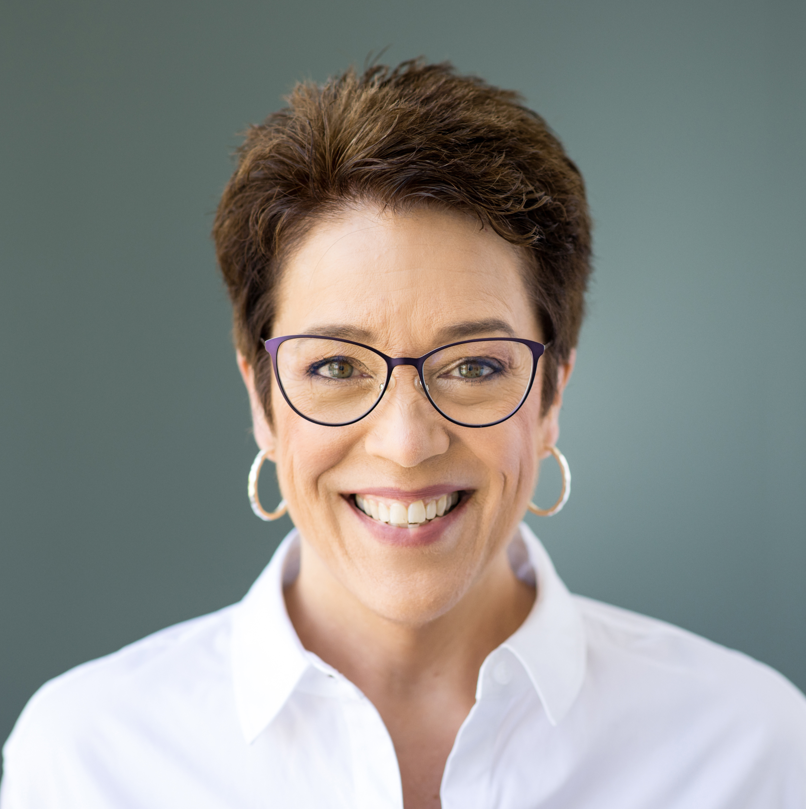
309: She Turned Patients Away and Got Fully Booked in 60 Days
June 9, 2026
Most practitioners think choosing a niche means picking the perfect patient population.
But sometimes, the fastest way to get clear is to start with the opposite question:
Who – or what – is not the right fit for your practice?
Not because those patients don’t deserve great care.
Not because you’re being rigid, exclusive, or difficult.
But because every practitioner has certain conditions, conversations, or patient needs that may not align with their clinical strengths, emotional capacity, experience, or long-term vision for the practice.
And when you’re honest about what isn’t the best fit, it becomes much easier to see what is.
I’ve had to make that call in my own clinic. There are certain types of patients I don’t take on – not because they aren’t important, but because I know I’m not the best person to solve that specific concern. If I’m not passionate about it, I won’t be the most clinically present, effective, or energized. And that matters.
When you try to serve everyone, your messaging gets fuzzy. Your emails feel generic. Asking someone to refer become harder to explain. Your offers feel scattered. And your schedule fills with a mix of people who may all need different things from you.
But when you narrow your focus, everything gets easier.
One of my Clinical Business Academy clients was brand new to private practice when she made a very bold decision: she chose menopause as her niche. That was it. Menopause only.
And honestly? I was surprised that she drew such a hard line.
But she was clear. She told her front desk exactly who the practice could help, and within 60 days, she was fully booked. She had to find a second practitioner to help and even set up in-house lab testing because the demand was growing so quickly.
That is the power of being known for something specific.
When your entire list is made up of people dealing with the same core problem, your emails land differently. Your content becomes easier to write. Your referrals become more memorable. “Go see the menopause specialist” is a sentence that sticks.
“Go see the practitioner who does a little bit of everything” disappears almost immediately.
And yes, specialists often charge more – not because they have more certifications or fancier letters after their name, but because the patient already believes they are in the right place.
In this episode, I’m walking you through how to choose a niche for your wellness practice by looking at both sides of the equation: who is the best fit, what conditions align with your strengths, and which types of patients or cases may not be the right match for the practice you’re building.
Because narrowing your focus doesn’t make your practice smaller.
It makes it easier to find, easier to refer to, easier to market, and easier to grow.
What You’ll Discover
- Why choosing a niche is not about rejecting patients, but creating clinical and business clarity
- How identifying the conditions or patient types that are not the best fit can help you clarify who is
- Why a mixed patient list makes marketing harder, even when your emails and content are well-written
- What happens to referrals when your practice becomes known for one clear clinical focus
- Why specialists are often able to charge more without relying on more certifications or credentials
- How one new practitioner chose menopause as her niche and became fully booked in just 60 days
- The question I ask practitioners when they feel stuck choosing a niche
Ready to listen? Watch the full episode above.
Connect with Ronda