Social Media Strategy for Practitioners – The 1-1-1 Rule
October 20, 2026
You’ve tried the social media thing before, and you know exactly how it goes. Your social media strategy for practitioners looks great on day one, you’re unstoppable for about six weeks, and then life happens and your last post starts to look like a time capsule.
So you decide social media just doesn’t work for a practice like yours. But let’s push back on that, because it’s not you. You gave it a heroic effort, and you nailed it for a while. The reason your social media strategy didn’t stick is because you were missing the most important thing – a system built to sustain it.
But in the meantime, while you’ve been taking a little break, your patients haven’t. They’re still doom scrolling every day, clicking on posts that promise a cure for almost everything, and then bringing it to you and asking what you think. Ugh. You’re the one with functional medicine training who can get to the root of the problem and fix it. But if you’re not online, they won’t be able to find you.
Here’s the fix – it’s called the 1-1-1 rule. One problem, one platform, one year. No complex marketing strategy, no viral dances, and no content calendar color-coded in fourteen shades. Just a simple strategy and system that will get you in front of the right people. It’s all in the episode below.
Why Isn’t Social Media Working for My Practice?
Social media usually isn’t working because there’s no system behind it, not because you’re bad at it. Without a social media strategy for practitioners who have an actual practice, posting depends on motivation, and motivation has the shelf life of an avocado.
So you get on the wagon, post like a champ for a few weeks, and fall right back off. Then the excuses pile up. You don’t know what to post, you don’t know how to make the post, and of course, you don’t have time. Right. That’s what they all say.
I get it. Finding time to figure it all out feels like a giant sink hole that you’ll never get out of. When social media feels like one more think to do, stacked on top of patient care and keeping the whole business glued together, it’s easy to walk away.
But here’s the part you can’t skip over. Your patients are online, looking for entertainment, information, and answers, whether you love social media or not. There are people out there right now who need to find you. They have a problem that you are perfectly trained to solve. If you aren’t talking about it, they can’t find you.
Social media works for practitioners who think of it as building brand recognition rather than just posting and praying.
That makes this a whole lot lighter. You don’t need to go viral, and you don’t need millions of followers, because millions of followers don’t translate into dollars. You need the people who resonate with what you say and want the solution you have, and that’s a much smaller, much friendlier crowd.
That’s exactly what the 1-1-1 rule is for. One problem, one platform, one year.
How Do I Decide What to Be Known For Online?
Start with the complaints you hear from your patients every day. Fatigue, bloating, hot flashes, headaches, or weight that won’t budge. These are clues about the type of content your patients are looking for online. Every practice is different, so it doesn’t matter what other people are doing. Just be yourself and you’ll attract your ideal people.
Now for the slightly uncomfortable part. Imagine if you asked every one of your patients how they would describe you to someone else.
If the answer is something like “I’m not exactly sure” then you have some work to do. What you want to hear is “Dr. Taylor helps with menopause and he’s amazing!” That’s the sentence that gets someone texting your name to a friend.
Becoming the expert online starts with deciding which problem you want people to associate with your name.
And no, choosing to specialize in something specific doesn’t mean it’s the only thing you do. You can still help the patient with dry skin or constipation on a Tuesday. It just means everything you say online ties back to one central theme, so people can actually remember you.
Try this gut check. What could you talk about with your eyes closed, half-caffeinated, without a single note? That’s your one thing.
Which Social Media Platform Should a Practitioner Use?
Use the one platform where your patients already spend their time, and let the rest go. Instagram, TikTok, Facebook, LinkedIn, and YouTube each have their own culture, their own algorithm, their own learning curve, and their own culture.
Trying to master all of them makes you a jack of all trades and master of none, and that’s an exhausting way to spend your time trying to capture the attention of anyone.
So where your people actually hang out? If your ideal patient is a 50-year-old woman in menopause, the odds of her being on TikTok all day are slim. She probably cut her social media teeth on Facebook but these days, she’s most likely on Instagram, saving recipes and planning her next trip.
Once you know which platform has your ideal people, go all in and give yourself permission to ignore everything else except that one thing. If it’s Instagram, that’s perfect because you can flip the toggle and cross-post to Facebook at the same time.
Choosing one platform takes the pressure off, because the only place you have to get good at is that one place.
And the footer on your website gets to proudly display just one social icon instead of a row of five pointing to accounts nobody’s touched since spring.
How Long Should I Post Before Social Media Starts Working?
Commit to one full year, posting at least three times a week. I know, that one hurt. But consistency is what creates your brand and helps you build a loyal following. And six weeks just isn’t long enough for enough of the right people to find you.
The cycle usually goes like this. You decide to talk about menopause which lasts for a month or two. When nothing happens, you decide it isn’t working and pivot to breast health. A couple of months later it’s gut health, and your followers are getting whiplash trying to keep up.
Today’s consumers are looking for experts. They want to work with practitioners who know how to solve their problem, not someone who can help anyone with anything. As a qualified, trained and licensed practitioner, that person can be you, as long as your message is clear and stays consistent long enough to be recognized.
People need to hear the same message multiple times before they connect it with you, so repetition is what turns your name into the answer they think of first.
You’ll get sick of hearing yourself talk about it long before anyone else does. The trick is to keep the general theme and change the angle. Think menopause and anxiety, menopause and weight gain, or menopause and memory loss with an invitation to grab your free guide or schedule a consultation.
This is how you carve out a space for yourself online without competing with the influencers at all. You don’t have to be louder than anyone. You just have to show up. And most importantly, just be you.
What Should I Post on Social Media as a Practitioner?
Post about the thing you want to be known for. That’s it. You don’t need any fancy recording equipment or special lighting. A short face-to-camera video can be recorded on your phone while sitting in your car. Make sure there’s enough light to keep the shadows at bay and then start talking about what you love and the people you’ve helped.
Answer a question that came up this week or talk about why you chose one supplement over the other for your patient struggling with blood sugar issues. Lay out the steps you had them take and what you expect to happen when they complete the protocol. That’s it. Super simple.
The first few times, you’ll stumble along until you find your rhythm. The good news is the algorithm has no idea what you’re about yet, so your early posts are basically a dress rehearsal with an audience of three.
And if something doesn’t land, that’s okay. Make a note to yourself and try a new angle next time. Block out a couple of hours on a Saturday to list everything you want to talk about. With each post, give people one clear next step, like clicking on the link in your bio, a word to comment so you can follow up, or something free to download.
People don’t want perfect; they just want human. So if you stumble over a word, that’s okay. It will do more for your brand than a post so polished it looks like AI wrote it.
And tell them why you care. Maybe you watched your mom go through a rough menopause and decided nobody else should have to. That story is what makes the right people choose you, stumbles and all.
Call to Action
Subscribe to my YouTube channel to watch the full episode for the complete strategy plus the nudge you need to finally hit record.
Not sure social media is even the right place to start? Take the free Practice Vitals Checkup and find out which area of your business needs you first.
About
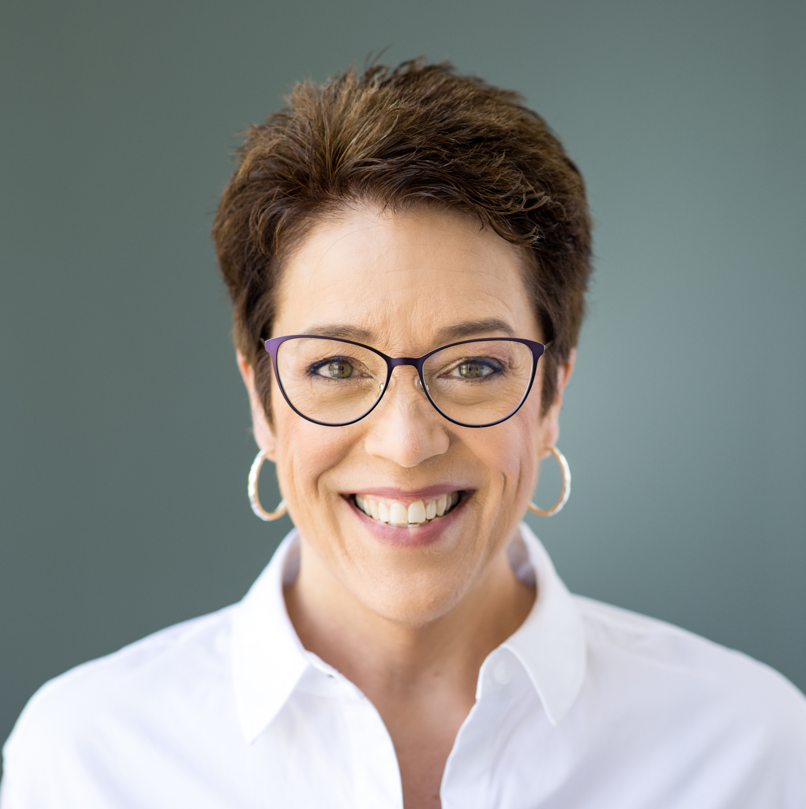
Ronda Nelson, PhD, MH, is the founder of Clinical Business Academy and Clinical Academy, and host of The Clinical Entrepreneur Show. Drawing from more than 20 years of experience as a practitioner, educator, and business owner, and having trained more than 4,000 wellness practitioners, she helps them identify the operational, financial, and leadership problems that keep their practices from growing. Her work focuses on patient retention, follow-up, communication, systems, profitability, and the business structure required to build a practice that supports both excellent patient care and long-term sustainability.
Related Content
- The Practice Vitals Checkup – find the weak spot costing your practice patients, revenue, or momentum, in just a few minutes.
- Clinical Business Academy – my strategic practice-growth community, where we can work through your practice, your systems, your social media, and how to get more people to work with you. Schedule a Practice Strategy Call.
- Episode 309 on choosing your specialty – how to decide who you want to serve before you decide what to post about.
Frequently Asked Questions About Social Media Strategy for Practitioners
What is the 1-1-1 rule for social media?
The 1-1-1 rule means choosing one problem to be known for, one platform to post on, and one year to stay consistent. It takes your social media strategy from an endless obligation into three simple decisions. Once you’ve made them, you know what to talk about, where to say it, and how long to keep going.
How often should a practitioner post on social media?
Post at least three times a week, and commit to that cadence for a full year. Three or four times a week is enough to build familiarity with the people you want to reach. Skip the fancy design work and pick up your phone instead, because showing up consistently matters far more than a perfect post.
Which social media platform is best for health practitioners?
The best platform is the one where your ideal patients already spend their time. Each platform has its own culture, algorithm, and learning curve, so trying to master all of them leaves you mediocre everywhere. Choose one, go all in, and cross-post elsewhere only when it takes no extra effort.
Why isn’t social media bringing me new patients?
It’s often because the posting has been on again, off again, or the message keeps changing. When you message is inconsistent and every few weeks you have a new area of focus, people can’t tell what you’re known for. Choose one problem, stay on that platform, and give it a full year to help people start thinking of you first.
Call to Action
Before you commit a whole year to social media, make sure it deserves the top spot on your list. It might be the thing holding your practice back, or it might be third in line. One weak spot might be costing you the most, and the checkup shows you which one in a few minutes.
Take the Practice Vitals Checkup.
Disclaimer/Disclosure
This content is for educational purposes only and is intended for wellness practitioners working within the functional medicine and integrative health space. This episode reflects Ronda Nelson’s personal experience and professional perspective as a practitioner, business owner, and mentor. It is not medical, mental health, legal, or financial advice. Practitioners are responsible for applying this information within their legal and professional scope. Ronda Nelson is the founder and owner of Clinical Business Academy, which is mentioned in this episode. No sponsorship or outside compensation was received for this mention.
Connect with Ronda